
Introduction
Why Magnesium Matters to Your Health
- Supports Muscle Function: Magnesium helps muscles contract and relax, crucial whether you’re lifting weights, running, or just stretching after sitting too long. Low levels can lead to cramps or stiffness—sound familiar?
- Boosts Mood and Sleep: It regulates neurotransmitters like serotonin, lifting your mood and helping you nod off. Research shows it can ease anxiety and improve sleep quality, especially if you’re a night owl.
- Strengthens Bones: Working with calcium and vitamin D, magnesium builds and maintains strong bones. About 60% of your body’s magnesium is stored in your skeleton, making it vital as we age.
- Regulates Energy: As a co-factor in turning food into energy, magnesium keeps your cells firing. Without enough, you might feel sluggish, even with a full plate.
- Supports Heart Health: It controls blood pressure and steadies your heart rhythm, potentially lowering the risk of arrhythmias or high blood pressure.
Natural Magnesium Sources
Plant Based
- Spinach (cooked, 1 cup / 180g): 158mg – A nutrient-packed green loaded with iron and vitamins A, C, and K. Steam it to preserve the magnesium.
- Almonds (1 ounce / 28g): 80mg – A handy snack with healthy fats and a satisfying crunch. A small handful daily does the trick.
- Avocado (1 medium): 58mg – Creamy and versatile, brilliant in salads or on sourdough toast, plus it’s rich in potassium.
- Dark Chocolate (1 ounce / 28g, 70-85% cocoa): 64mg – A treat that boosts magnesium, just keep an eye on sugar!.
- Black Beans (1 cup / 172g, cooked): 120mg – Perfect for stews or wraps, and they’re fibre-rich too.
Animal Based
- Atlantic Salmon (100g, cooked): 29mg – Widely available in UK shops, packed with omega-3s for heart health.
- Beef (100g, cooked): 20–30mg – Opt for grass-fed if possible, as it may have a nutrient edge.
- Oysters (100g): 50–60mg – A luxury option, rich in zinc and B12 alongside magnesium.
- Plain Yoghurt (245g, 1 cup): 42mg – A creamy addition to breakfast or smoothies, good for bones too.
Aim for that 300–400mg target through food, but it varies. If you’re active, stressed, or noticing symptoms like tiredness, you might need more—tune into your body!
Understanding Different Types of Magnesium
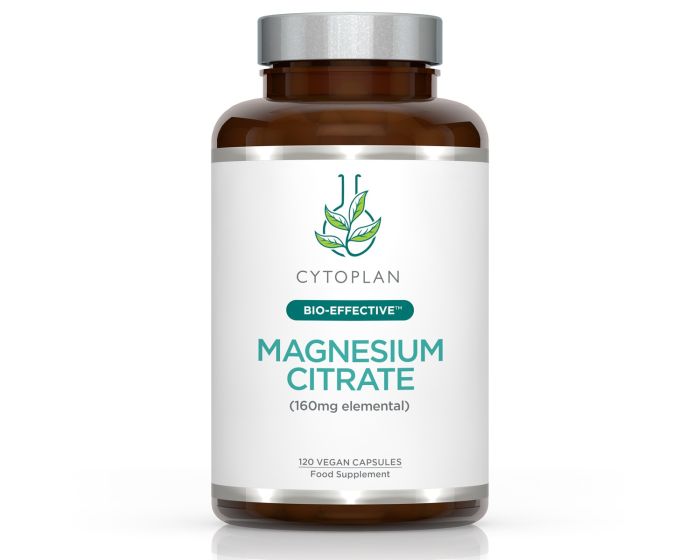
1. Magnesium Citrate: Energy, Recovery, and Constipation Relief
Magnesium citrate is highly absorbable and great for energy metabolism and muscle recovery. It can also ease constipation by drawing water into your intestines—perfect if you’re active or need digestive support.
- Who benefits?
Athletes, fitness enthusiasts, or anyone with occasional constipation looking for a quick boost.Try Cytoplan’s Magnesium Citrate (80mg per capsule).
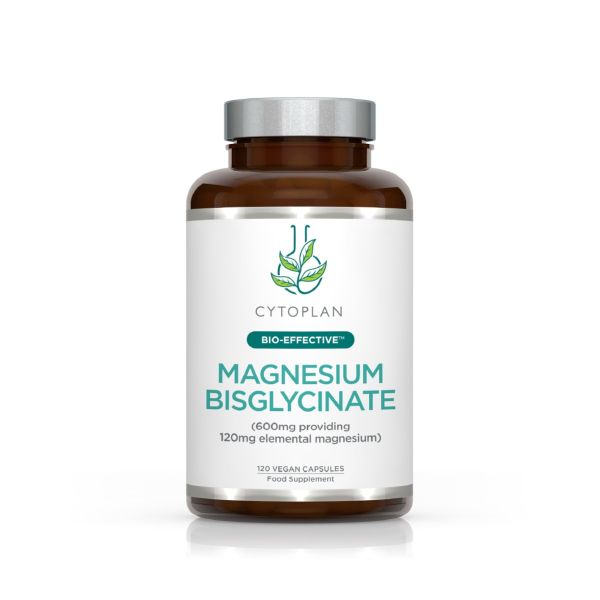
2. Magnesium Bisglycinate: Sleep and Hormones
- Who benefits?
People with sensitive stomachs, women during hormonal shifts, or anyone struggling with sleep.Get Cytoplan’s Magnesium Bisglycinate (120mg per capsule)
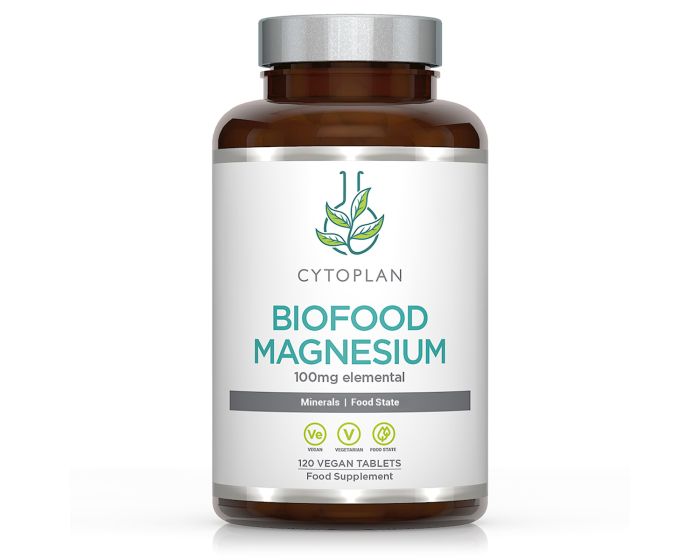
3. Biofood Magnesium: Wholefood Power
Biofood Magnesium is a wholefood form, paired with natural carriers like Lactobacillus, it supports bones, muscles, and mental health with excellent absorption. It mimics how nutrients are found in food [5].
- Who benefits?
Those seeking a natural supplement approach, or individuals focused on long-term bone and mental health.Get Cytoplan’s Biofood Magnesium (100mg per tablet)
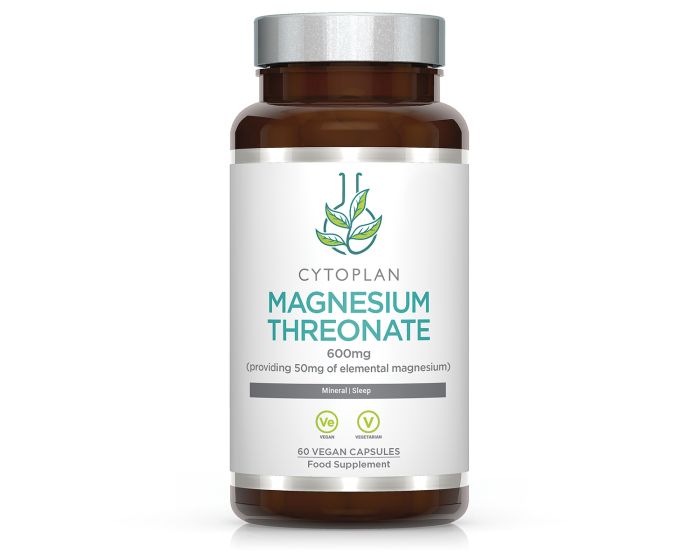
4. Magnesium Threonate: Brain Health
- Who benefits?
Students, professionals under pressure, or older adults aiming to keep their mind sharp.
Note: Magnesium Threonate is only available through Cytoplan practitioners like me – reach out via my contact form to purchase or learn more!
5. Magnesium Malate
- Who benefits?
People with chronic muscle pain (e.g., fibromyalgia sufferers), those seeking an energy lift, or anyone interested in alternative magnesium forms.
How to Add Magnesium to Your Routine
Getting more magnesium can be a doddle and tailored to you. Here’s how:
- Diet Tweaks: Sprinkle almonds in your yoghurt or toss spinach into a curry. Small swaps build up over time.
- Meal Planning: Pair salmon with black beans for a magnesium-rich dinner covering both food groups.
-
Relax with Bath Salts: Fancy a pampering twist? Try adding Epsom salts (magnesium sulfate) or magnesium flakes (magnesium chloride) to a warm bath. Dissolve 1–2 cups, soak for 20–30 minutes, and let your skin absorb the magnesium to ease muscle tension or stress. It’s a lovely way to unwind, especially after a long day.
- Lifestyle Tips: Try yoga to lower stress—magnesium works better when you’re relaxed. Stay hydrated too, as it aids absorption.
If you suspect a deficiency (think tiredness, muscle twitches, constipation, or poor sleep), supplements like the types above could be your game-changer!
Why Choose Cytoplan?
How to Get Started
- Dosage: Take 1–2 capsules/tablets daily (80–120mg elemental magnesium) with food, or as advised by a practitioner.
- Safety: Consult a doctor if you have health conditions. Side effects (e.g., diarrhoea with citrate) are rare at recommended doses.
- Where to buy: Shop Cytoplan’s magnesium range for top-quality options.
Your Magnesium Journey Starts Here
Disclosure: This post contains affiliate links, meaning I may earn a commission on purchases at no extra cost to you. Thanks for supporting my content!
Sources
- Kreider, R. B., et al. (2017). International Society of Sports Nutrition position stand: Safety and efficacy of magnesium supplementation. Journal of the International Society of Sports Nutrition.
- Rosanoff, A., et al. (2012). Suboptimal magnesium status in the United States. Nutrition Reviews.
- Walker, A. F., et al. (2003). Magnesium citrate for constipation and energy metabolism. European Journal of Clinical Nutrition.
- Cytoplan. (2024). Magnesium Bisglycinate benefits for sleep and hormonal balance. Cytoplan.co.uk.
- Cytoplan. (2020). Biofood Magnesium: Food State supplement. Amaranth-wellbeing.com.
- Prokopidis, K., et al. (2023). Magnesium threonate for cognitive function. Nutrients.
- Cytoplan. (2025). About our bio-effective supplements. Cytoplan.co.uk.