Creatine for Body & Brain
Ever wondered how to squeeze more power out of your workouts or sharpen your focus during a hectic week?
Creatine might just be the natural game-changer you’ve been overlooking. Found naturally in your muscles and obtained through diet, this compound has been a fitness cornerstone for decades, celebrated for enhancing physical performance. But recent research reveals its benefits extend far beyond the gym, supporting brain health and overall vitality [1].
With growing scientific backing, let’s dive deep into what creatine does, where it hides in your food, the array of types available, how to weave it into your daily life, and why experts like Dr. Rhonda Patrick advocate for higher doses to unlock its full potential.
This guide is your roadmap to maximising creatine’s power!
Why Creatine Matters to Your Performance
Creatine isn’t just a bodybuilder’s secret—it’s a multi-faceted ally for your body and mind, backed by a wealth of studies. Here’s an in-depth look at its transformative benefits:
- Enhances Strength and Power: By boosting phosphocreatine stores in your muscles, creatine fuels short, intense efforts like weightlifting or sprinting. Research shows significant strength gains within weeks [2].
- Improves Recovery: It minimises muscle damage and inflammation after tough workouts, speeding up recovery so you can train harder, more often. Studies highlight reduced soreness by up to 20% [3].
- Supports Brain Health: Emerging evidence suggests creatine improves memory, focus, and mental resilience, especially under stress or sleep deprivation. A landmark study found cognitive boosts in vegetarians after supplementation [4].
- Boosts Energy Production: Creatine regenerates ATP, the energy currency of your cells, providing a quick energy surge without the jitters of caffeine. This makes it ideal for both athletes and desk warriors [2].
- May Aid Muscle Growth: Over time, it increases water retention in muscle cells, promoting growth when combined with resistance training. Long-term use can add 1–2kg of lean mass, per research [3].
- Potential Longevity Benefits: Some studies hint at creatine’s role in supporting cellular health, which could tie into anti-aging, though more research is needed [5].
Natural Sources of Creatine
You can boost your creatine levels straight from your kitchen, though amounts vary. Here’s a detailed breakdown to help you plan:
- Red Meat: Beef packs 4–5g/kg, making a 200g steak a creatine powerhouse. Grass-fed options may offer slight nutrient edges [2].
- Fish: Salmon and tuna deliver 4g/kg—grill a 150g fillet for a solid dose, plus omega-3s for heart health [3].
- Poultry: Chicken provides 3–4g/kg; a 200g chicken breast adds a modest but useful amount, especially in curries [2].
- Eggs: Each egg offers about 0.1g, so a three-egg omelette contributes a small but cumulative boost [3].
- Dairy: Milk contains trace amounts (0.1g/L), so a litre daily adds a bit, though it’s far less efficient than meat [1].
Understanding Different Types of Creatine
Creatine comes in several forms, each with distinct properties to suit different needs. Here’s a thorough rundown:
- Creatine Monohydrate: The most researched and proven type, it enhances strength, power, and muscle mass with a standard 3–5g daily dose. It’s cost-effective and widely available [2].
-
- Who Benefits? Athletes, gym enthusiasts, or anyone seeking a reliable, affordable performance boost.
-
- Creatine Ethyl Ester: Marketed for better absorption and less bloating than monohydrate, though studies show mixed results. It’s a pricier alternative with a similar 3–5g dose [5].
-
- Who Benefits? Those sensitive to monohydrate’s water retention or looking for a premium option.
-
- Creatine HCL: Highly soluble and potentially gentler on the stomach, it may work at lower doses (1–2g) due to improved uptake, though evidence is still developing [6].
-
- Who Benefits? Individuals with digestive sensitivity or those wanting a concentrated form.
-
- Creatine Pyruvate: Blends creatine with pyruvic acid, aiming to enhance energy production for endurance. Research is limited, but a 3–5g dose is typical [7].
-
- Who Benefits? Endurance athletes or those exploring innovative energy support.
-
- Buffered Creatine (Kre-Alkalyn): Claims to reduce conversion to creatinine (a waste product) with a higher pH, potentially needing less (1.5–3g). Evidence is inconclusive [5].
-
- Who Benefits? Those wary of creatinine buildup or seeking a specialised approach.
-
How to Add Creatine to Your Routine
Incorporating creatine can be seamless and customised to your lifestyle. Here’s a detailed plan:
- Diet Tweaks: Grill a salmon fillet or enjoy a beef burger twice weekly to naturally up your intake.
- Meal Planning: Combine chicken with eggs in a stir-fry for a creatine-rich meal spanning sources.
- Supplement Consideration: For active folks, 3–5g daily is standard, mixed in water, juice, or yoghurt. Some experts, like Dr. Rhonda Patrick, advocate higher doses—up to 10g daily, split into 2x 5g servings—to maximise muscle saturation and cognitive benefits, based on studies showing enhanced performance and brain function in older adults [4]. Start with 3g to assess tolerance, then adjust upward with guidance [2].
- Timing Tips: Post-workout with carbs (e.g., a banana) boosts uptake by 60%. Consistency matters more than timing—take it daily.
- Hydration Focus: Creatine pulls water into muscles, so drink 2–3 litres daily to support this and avoid cramps [1].
- Loading Phase (Optional): Some use a 20g/day loading phase (4x 5g) for 5–7 days to saturate muscles faster, though it’s not essential [2].
- Safety: Consult a doctor if you have kidney issues, though creatine is safe for most.
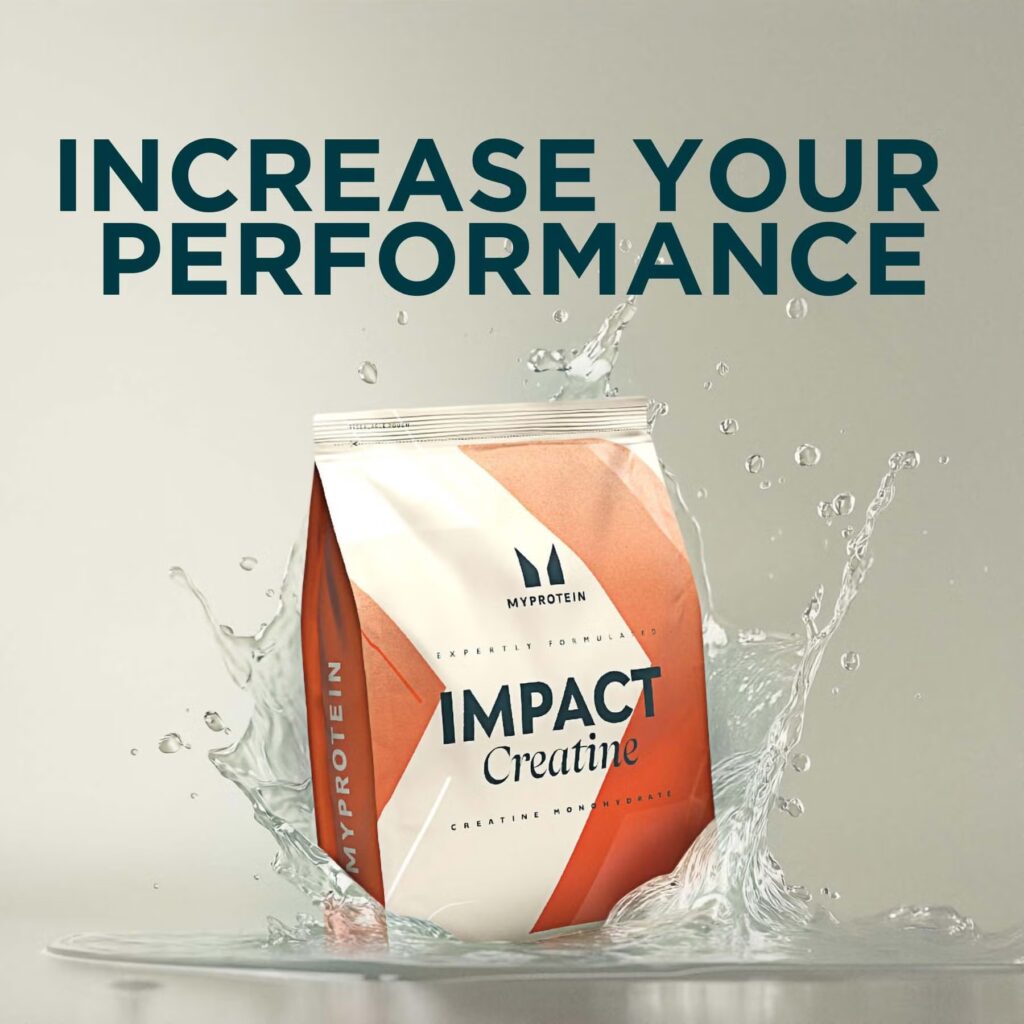
- Where to buy: Get high-quality creatine monohydrate from Myprotein to fuel your workouts and recovery.
Create a Better You with Creatine
Creatine is a versatile supplement that boosts performance, builds lean muscle, speeds recovery, and supports brain and bone health – benefits that resonate especially for women at any age or fitness level. It’s time to ditch the myths and embrace creatine as a tool for strength, vitality, and confidence.
Ready to try creatine? Grab Myprotein’s creatine monohydrate today and see the difference for yourself!
Have you tried creatine, or are you curious about it?
Disclosure: This post contains affiliate links, meaning I may earn a commission on purchases at no extra cost to you. Thanks for supporting my content!
Sources
- Kreider, R. B., et al. (2017). International Society of Sports Nutrition position stand: Safety and efficacy of creatine supplementation. Journal of the International Society of Sports Nutrition.
- Buford, T. W., et al. (2007). International Society of Sports Nutrition position stand: Creatine supplementation and exercise. Journal of the International Society of Sports Nutrition.
- Cooper, R., et al. (2012). Creatine supplementation with specific view to exercise/sports performance. Sports Medicine.
- Rae, C., et al. (2003). Oral creatine monohydrate supplementation improves brain performance. Proceedings of the Royal Society B: Biological Sciences.
- Jagim, A. R., et al. (2012). A buffered form of creatine does not promote greater changes in muscle creatine content. Journal of the International Society of Sports Nutrition.
- Gualano, B., et al. (2012). Creatine supplementation in the aging population. Amino Acids.
- MyProtein. (2025). About our creatine supplements. Myprotein.com.