
Unlike typical vitamins, vitamin D is synthesised in your skin from sunlight and converted into a hormone (1,25-dihydroxyvitamin D) that regulates numerous bodily functions [1].
With science unveiling its hormonal power, let’s explore the benefits of vitamin D, where to find it, the superiority of D3, and how pairing it with K2 and magnesium maximises its absorption. Plus, I’ll point you to Cytoplan for top-notch supplements to thrive all year-round!
Why Vitamin D Matters to Your Health
Vitamin D, acting as a hormone, is a cornerstone of wellness, influencing a wide range of bodily functions. These are the benefits of vitamin D that your body is crying out for:
- Supports bone health: Vitamin D plays an essential role in maintaining healthy bone density, and deficiency is linked to an increased risk of osteoporosis and osteomalacia, as well as rickets, particularly in children. [2]
- Boosts immune health: Its hormonal form can directly modulate immunity, with deficiency associated with increased autoimmunity and greater susceptibility to infections. [3]
- Promotes hormonal health: As a hormone, vitamin D influences the endocrine system, supporting both male and female fertility with adequate levels. [4]
- Enhances cardiovascular health: Low vitamin D levels have been associated with an increased risk of conditions like cardiovascular disease and high blood pressure. [5]
- Improves mood: Vitamin D can positively affect both mood and sleep, helping to combat seasonal lows. [4]
- Benefits skin health: Vitamin D plays a key role in skin tone and offers anti-inflammatory benefits for conditions like acne and eczema. [5]
- Supports women’s health: Vitamin D helps maintain healthy bone density post-menopause and can regulate menstrual disorders such as premenstrual syndrome. [2]
- Aids men’s health: Vitamin D supports muscle growth and development and plays a vital role in male fertility. [4]
- Enhances muscle strength and balance: Reducing fall risk by up to 20% in older adults through hormonal pathways. [2]
- Fine-tunes inflammatory responses: It’s hormonal activity supports cellular health across the body. [3]
In the UK, sunlight from late March to September generates enough vitamin D for most people, especially those who are fair skinned, but from October to March, with minimal UVB rays—especially north of Birmingham—supplementation is essential to maintain hormonal balance and optimal health.
Natural Sources of Vitamin D

- Sunlight: 10–30 minutes of midday sun (face, arms, legs) from April to September works for fair skin, but this halts October to March due to low UVB [6].
- Fatty Fish: Salmon (11µg/100g) and mackerel (13µg/100g) deliver a punch—grill a 100g fillet weekly for a boost [2].
- Egg Yolks: One egg yields 1µg, so a three-egg omelette adds up, supporting hormonal synthesis [3].
- Liver: Beef or chicken liver offers 1–2µg/100g, a nutrient-dense option when pan-fried or added to stews [5].
- Cod Liver Oil: A traditional choice, providing 34µg (1360 IU) per tablespoon, perfect for a raw or blended dose [7].
- Pork: Certain cuts like pork ribs can supply 0.5–1µg/100g, especially when sourced from pasture-raised animals [5].
- Mushrooms: UV-exposed maitake or chanterelles provide 5–10µg/100g, a natural hormonal ally [5].
The NHS suggests 10µg (400 IU) daily, but food alone rarely hits 4µg, making supplementation critical to ensure you’re getting the benefits of vitamin D during low-sunlight months to sustain hormonal levels.
Understanding Different Types of Vitamin D
Vitamin D variants cater to diverse needs, with its hormonal nature in mind. Here’s the detail:
- Vitamin D2 (Ergocalciferol): Plant-based, found in some supplements. Less efficient at raising blood levels of the active hormone compared to D3: High doses may compete with D3 for conversion, potentially reducing its contribution to 25(OH)D levels, though total vitamin D status can still improve: [2, 3]
- Who Benefits? Vegans or those avoiding animal products, though it’s a weaker hormonal precursor.
- Vitamin D3 (Cholecalciferol): Animal-derived (e.g., lanolin or algae), the top choice for boosting the hormonal form (1,25-dihydroxyvitamin D).
- Who Benefits? Most people, especially in low-sunlight regions or at risk of deficiency.
- Vitamin D3 with K2: Pairs D3 with vitamin K2 (menaquinone) to guide calcium to bones via hormonal regulation, preventing artery calcification. Typical doses: 1000–4000 IU D3 with 100µg K2: [7] This is perfect for that October to March boost!
- Who Benefits? Those focused on bone and cardiovascular health, particularly seniors.
- Vitamin D3 Drops: Liquid form for precise dosing (e.g., 1000 IU/drop), ideal for adjusting hormonal levels in kids or adults:
- Who Benefits? Families or individuals fine-tuning intake during winter.
D3 shines for its hormonal potency, with K2 and magnesium enhancing absorption and efficacy: [6]
How to Add Vitamin D to Your Routine
Elevating vitamin D, is key especially during low-light months:
- Soak up 10–15 minutes of April–September sun, but switch to supplements October to March to maintain hormonal output.
- Grill salmon, enjoy egg yolks, or try liver and cod liver oil, though these won’t meet winter hormonal needs alone.
- Take 10µg (400 IU) daily year-round, or 25–50µg (1000–2000 IU) October to March if deficient—Dr. Rhonda Patrick advocates up to 50µg, split into two doses, to optimise hormonal benefits for immunity and mood.
- Pair with 100–200µg K2 and 200–400mg magnesium (e.g., bisglycinate) to enhance absorption and support calcium regulation, a hormonal synergy backed by research.
- Morning doses mimic natural sunlight cycles; take with fats like nuts or yoghurt to boost uptake.
- Test 25-hydroxyvitamin D levels, aiming for 30–50ng/mL to sustain hormonal function.
- Complement with exercise to support overall hormonal health.
Exploring Cytoplan’s Vitamin D Supplements
Cytoplan offers a range of vitamin D supplements tailored to your needs, especially for UK winters:
Vitamin D3 & K2 Capsules: Available in high-potency (4000 IU D3 with 100µg K2) or daily dosage options, using MK-7 K2 for bioeffectiveness: Enhances calcium absorption and bone health, reducing artery calcification risk.
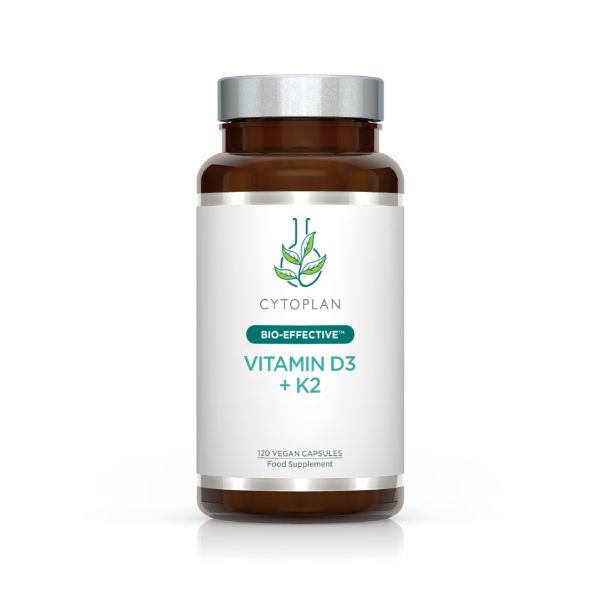
Who Benefits? Those who need extra support throughout the winter months and who are prioritising bone and cardiovascular support, particularly seniors.
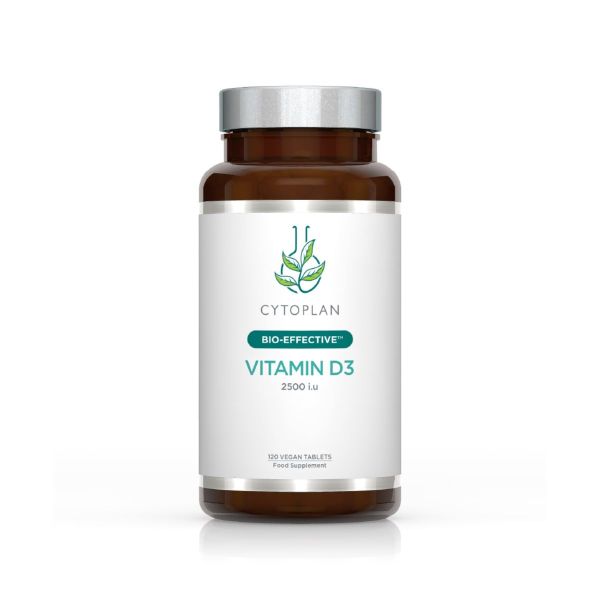
- Wholefood Vitamin D3 Vegan: A high-potency, one-a-day tablet providing 62.5µg (2500 IU) of vegan D3 from marine algae: Supports immune, nervous system, and bone health, ideal for October-to-March supplementation.
Who Benefits? Those seeking a sustainable, plant-based option with 6000+ practitioner endorsements.
Vitamin D3 Drops: Liquid form delivering 1000 IU per drop, suitable from birth and great for all ages: Perfect for precise dosing and flexibility during low-sunlight months
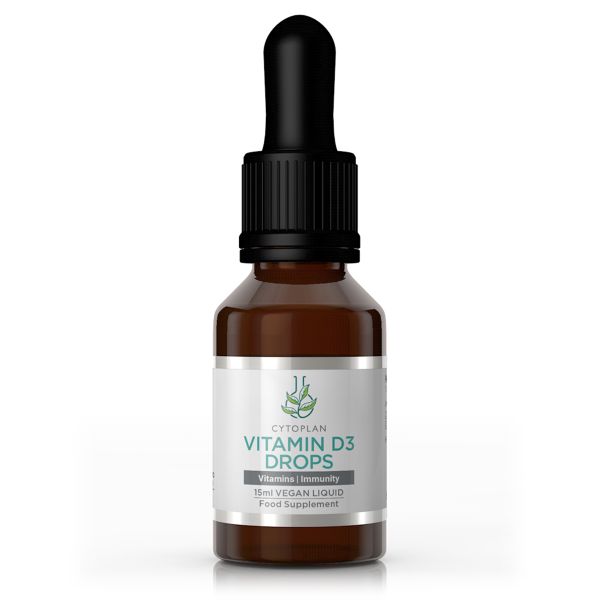
Who Benefits? Families or individuals adjusting intake, especially kids and the elderly.
Your Winter Wellness Journey Starts Here
Check out their full range at cytoplan.co.uk It’s your go-to for October-to-March support!
Disclosure: This post has affiliate links, so I might earn a bit if you buy through them, at no extra cost to you! Cheers for backing my work—it keeps my content flowing!
References
- NHS. (2025). Vitamin D. www.nhs.uk: https://www.nhs.uk/conditions/vitamins-and-minerals/vitamin-d/
- Holick, M. F. (2011). Vitamin D: Importance for prevention of diseases. New England Journal of Medicine: https://www.nejm.org/doi/full/10.1056/NEJMra070553
- Martineau, A. R., et al. (2017). Vitamin D supplementation to prevent acute respiratory infections. BMJ: https://www.bmj.com/content/356/bmj.i6583
- Patrick, R. (2023). Vitamin D and health optimization. FoundMyFitness: https://www.foundmyfitness.com/topics/vitamin-d
- Wimalawansa, S. J. (2018). Vitamin D and non-skeletal health. Journal of Steroid Biochemistry: https://www.sciencedirect.com/science/article/pii/S0960076017303186
- Webb, A. R., et al. (2010). Sunlight and vitamin D. Photochemistry and Photobiology: https://onlinelibrary.wiley.com/doi/full/10.1111/j.1751-1097.2010.00737.x
- Cytoplan. (2025). Vitamin D3 & K2 supplements. www.cytoplan.co.uk: https://www.cytoplan.co.uk/vitamin-d-supplements